Shared weather events interrupt the ordinary, creating collective moments that bring people closer, even if briefly.
When the weather shifts dramatically, through events such as a snowstorm, a summer heatwave, a sudden downpour, or even a rare rainbow, something interesting happens. People look up from their routines and acknowledge each other. Strangers comment, neighbors check in, and communities suddenly feel more connected.
Weather Creates Instant Shared Experience
Weather is one of the few things every person in a community experiences simultaneously. When something unusual or intense happens, it levels the social playing field.
People who may never speak suddenly have something meaningful in common: the cold, the heat, the rain, the wind, or the wonder.
“Can you believe this rain?” Such quick remarks become a bridge between strangers.
These exchanges may seem small, but they build social warmth. They remind people that they’re living through the exact moment together.
Shared circumstances, even temporary ones, can create powerful feelings of unity.
Weather Interruptions Spark Natural Cooperation
During significant weather events, cooperation tends to increase almost automatically. Neighbors may help shovel driveways, push a stuck car, share an umbrella, or check on older residents.
Even a brief power outage can prompt people to engage in conversation, share resources, or gather outdoors.
These small acts of mutual aid strengthen trust and a sense of belonging.
They show that people can rely on one another, even if they don’t normally interact.
Moments of disruption can highlight the best parts of community life, such as kindness, attentiveness, and a willingness to help.
Read More: How Shared Routines Create Connection Without Conversation
Extreme Weather Highlights Our Human Vulnerability
When the weather becomes intense, it reminds people that they’re not in control and that they need each other.
This shared vulnerability softens social walls. People become more approachable, more willing to engage in conversation, and more receptive to offering or receiving help.
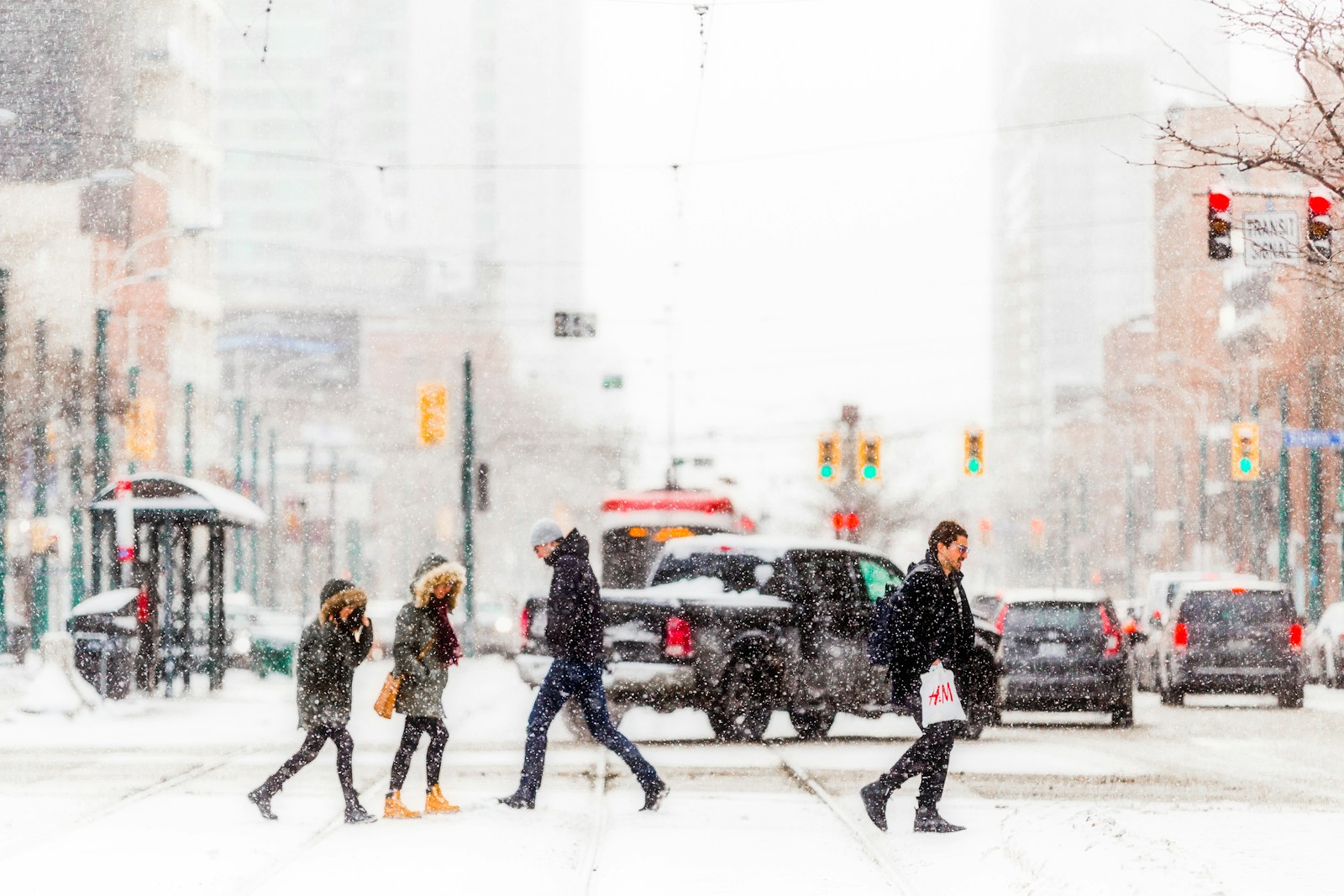
During snowstorms or heatwaves, people often greet each other more frequently, check on their neighbors, or share helpful tips. Even watching a dramatic lightning storm from porches or balconies can create a brief sense of collective awe.
Weather binds people together because it humbles us, and shared humility builds connection.
Read More: How Scent Triggers Social Memory
Weather Events Create Collective Memory
Communities often remember major weather events for years:
• “That big snowstorm of ’21”
• “The summer the heatwave never ended.”
• “That crazy thunderstorm where everyone lost power.”
These events become storytelling moments that link people across generations.
Weather becomes an integral part of the community’s shared history, shaping its local identity.
Even small but memorable moments, such as everyone stepping outside to see the first snowfall, become part of a place’s emotional backdrop.
Small Weather Moments Matter Too
Not all weather-related bonding happens during emergencies. Sometimes, a connection grows from gentle, beautiful moments:
• People gather to photograph a double rainbow
• Neighbors pause to enjoy the first warm day of spring
• Kids run together through the sprinkler on a hot afternoon
• Commuters collectively admire a pink sunrise
These small experiences create slow, steady threads of community.
They remind people to look up, notice life, and share a moment of wonder with those around them.
Read More: How Public Art Changes the Way We Interact With Cities