When strangers gather in public places, such as a park, plaza, train platform, or even a sidewalk, patterns emerge almost instantly.
People space themselves out, form lanes of movement, create informal boundaries, and adjust to one another with surprising fluidity. These behaviors aren’t taught; they arise naturally from social instincts that help humans share space peacefully.
People Maintain Personal Space Through “Invisible Bubbles”
Even in crowded areas, people instinctively create and protect a personal bubble. This bubble adjusts based on culture, comfort level, and environment, but the instinct remains the same: a need for enough space to feel safe and unthreatened.
In parks, people spread out blankets or choose benches with space between them. On sidewalks, people subtly shift direction to avoid brushing against others. In waiting areas, people choose seats with a buffer whenever possible.
These adjustments happen without discussion. They’re quiet negotiations of comfort that help prevent conflict and maintain emotional ease in public settings.
Crowd Movement Naturally Forms “Human Lanes”
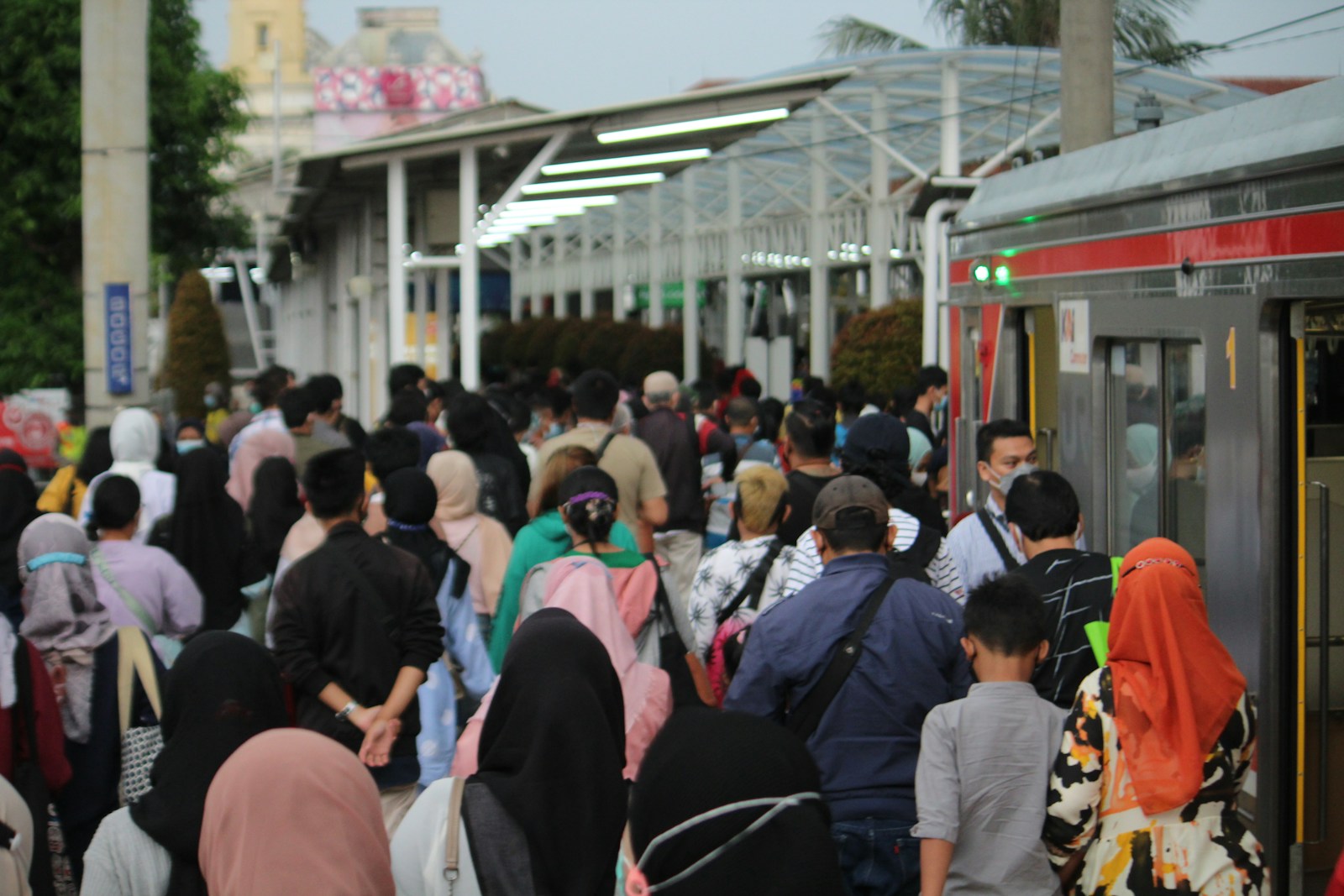
Foot traffic behaves much like river flow. When enough people move in the same direction, lanes form automatically. Walkers match speed, fall into rhythm, and unconsciously maintain spacing.
This is why busy sidewalks often develop two-way “traffic patterns.” People also form temporary lanes around obstacles, such as construction, street performers, and strollers, and merge and split with surprising coordination.
These patterns make shared movement efficient. They reduce collisions, frustration, and the need for verbal communication.
Humans are wired for cooperative flow.
Read More: How Compliments Shape Our Self-Perception More Than Criticism
Small Groups Create Subtle Boundaries
When people gather in pairs or groups, they form shapes, such as circles, semi-circles, or lines, that signal who’s included and how approachable the group feels.
A group facing inward indicates privacy.
A group angled outward invites new people to join.
Even the spacing between individuals communicates emotional closeness or openness.
These formations help strangers interpret a group’s social dynamics without interrupting.
It’s a system of nonverbal communication that maintains smooth and respectful interactions.
Read More: How Colors Influence Social Behavior
People “Read” a Space Before Deciding Where to Stand
Humans scan for cues about where they belong, such as shady areas, open seats, edges of crowds, or spots with clearer visibility. People avoid blocking pathways or standing too close to someone engrossed in an activity.
This instinctive assessment influences how public spaces are utilized. Early arrivals spread out, and later arrivals fill in gaps based on subtle social rules:
• Don’t stand directly in front of someone’s view
• Don’t hover too close behind someone
• Leave space for movement
• Choose areas that match your purpose (resting, socializing, observing)
This spatial sensitivity keeps public spaces from feeling chaotic.
Strangers Coordinate Through Micro-Signals
Small gestures, whether it’s a slight step to the side, a hand wave, or a nod, help strangers avoid collisions and misunderstandings.
People use these micro-signals constantly:
• Eye contact to negotiate right-of-way
• A quick smile to show friendliness
• A raised hand to indicate “go ahead.”
• A shift in posture to communicate direction
These signals create a silent language that helps people interact smoothly in crowded environments.
Even without words, humans cooperate naturally.
These Patterns Build Social Harmony
The way people organize themselves in public spaces may seem instinctive, but it plays a crucial role in fostering social harmony.
These unconscious behaviors help reduce tension, increase safety, and make shared environments pleasant.
They show how deeply humans rely on subtle coordination. There’s an unspoken agreement to move, pause, and share space respectfully. Public order doesn’t always require rules or supervision; often, it’s sustained by instinct and empathy.
Read More: How Body Language Affects the Way We Connect With Strangers