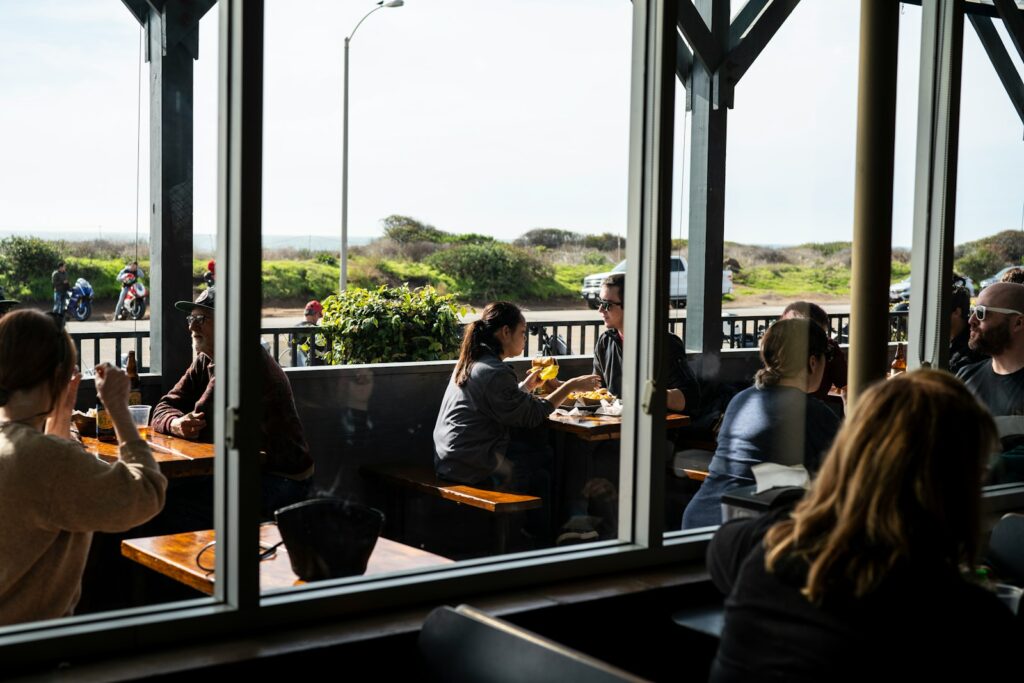

In every group, whether it’s a workplace, a friend circle, a volunteer team, or even a casual gathering, people settle into predictable social roles. Understanding how people select (and reinforce) these roles helps us see group behavior with more clarity and compassion.
Some become organizers, others nurturers, comedians, problem-solvers, quiet observers, or energy boosters. These roles aren’t assigned; they emerge naturally through personality, history, and group dynamics.
Roles Form from Familiar Patterns
People often gravitate toward roles that feel familiar from past experiences. A person who grew up smoothing over family tension may become the peacemaker in adulthood. Someone who has always been praised for responsibility may step into the planner role without being asked.
These roles often feel automatic. Not because someone consciously chooses them, but because they’ve played them so often that the behavior feels intuitive and comfortable.
This familiarity reduces social friction. When people step into roles they are familiar with, they help stabilize the group’s rhythm and expectations.
Group Needs Shape Individual Roles
Groups naturally develop gaps, and people fill them. If a group lacks direction, someone usually steps up to take charge. If tension appears, someone instinctively becomes the diffuser.
These shifts are often subtle. A person might not be the “funny one” in one context but becomes the lighthearted voice in another because the group needs it. Roles are fluid, adjusting according to who else is present and what the moment requires.
This flexibility helps groups stay balanced. Without realizing it, people calibrate their behavior to maintain cohesion.
Read More: How Neighborhood Rumor Mills Start (and Why We Love Them)
Personality Influences Role Preference
While roles shift across contexts, personality plays a significant role in where people feel most at ease. Extroverted individuals may take on energizing roles; introverted people may gravitate toward listening or observing roles. Empathetic personalities tend to step into supportive roles, while analytical thinkers often become problem solvers.
But personality doesn’t dictate destiny. A quiet person may become the decisive leader in a group with which they feel a deep connection. A typically bold person may soften into a supportive role in a group filled with strong personalities. The match between an individual’s personality and the group composition determines the final role.
Read More: How Music Shapes the Vibe of Public Spaces
Social Feedback Reinforces Roles Over Time
Once a person steps into a role, the group often reinforces it, sometimes without realizing it. Praise, expectations, or even light-hearted comments (“You’re always the responsible one” or “We knew you’d make us laugh”) solidify the pattern.
This feedback loop makes roles feel stable and predictable. It also helps groups function more easily. Everyone knows who handles what. However, it can also limit people. Someone may feel stuck in a role they no longer enjoy or outgrew years ago.
Awareness helps break unhelpful patterns while strengthening the roles that bring out the best in people.
People Shift Roles Depending on Comfort and Context
No one has a single social role in all situations. Instead, people adopt roles based on:
• Who they’re with
• How emotionally safe they feel
• The group’s needs
• Their own energy and confidence
• The structure or purpose of the gathering
A person who is a leader at work might become a quiet listener among old friends. Another who is usually supportive may become the strategist in a crisis. Context shapes our expression just as much as personality does.
Understanding this fluidity helps us avoid limiting people to identities that may only represent a slice of who they truly are.
How Recognizing Roles Strengthens Group Harmony
When we understand how roles emerge, group interactions become smoother and more effective. We can appreciate how different contributions create balance, and how shifting expectations can open space for others to grow.
It also becomes easier to communicate needs. If the “organizer” is overwhelmed, others can step in. If the “listener” has something important to share, the group can make room.
Seeing roles clearly helps groups thrive with less friction and allows individuals to express themselves without feeling trapped in old patterns.
Read More: How Local Foods Become Cultural Icons