Public art does more than decorate streets and plazas. It transforms how people move through, engage with, and emotionally experience a city.
A mural can turn a forgotten alley into a landmark. A sculpture can spark conversation among strangers. Even small installations, such as painted crosswalks or tiled benches, alter how people perceive their surroundings. Public art invites interaction, builds connection, and helps people feel rooted in the places they inhabit.
Public Art Makes Spaces More Approachable
Art softens urban environments, breaking up concrete and geometry with color, creativity, and emotion. A vibrant mural or playful sculpture makes a space feel less intimidating and more welcoming.
When people encounter art in unexpected places, such as underpasses, walls, sidewalks, or rooftops, it sends a subtle invitation to slow down, look up, and explore.
This energy shift encourages people to linger rather than pass through. A plaza with art becomes a gathering spot. A street with murals becomes a walkable destination.
Public art encourages presence rather than hurry.
Art Sparks Curiosity and Curiosity Encourages Connection
One of the most powerful functions of public art is its ability to spark curiosity. When people stop to admire something interesting, others often stop too.
This shared attention creates natural openings for conversation:
• “Did you see this before?”
• “What do you think it means?”
• “I love the colors in this one.”
These simple comments turn strangers into momentary companions in observation. Curiosity becomes a social bridge, fostering micro-connections that make cities feel more human.
In this way, public art helps create a sense of social warmth in places that might otherwise feel isolating.
Read More: How People Develop Home Voices and Public Voices
Art Reinforces Community Identity
Public art often reflects a neighborhood’s history, culture, or personality. It becomes a visual language that helps residents feel connected to their surroundings.
Murals honoring local heroes, sculptures inspired by regional wildlife, or mosaics depicting community stories give people a sense of ownership and pride.
These pieces become landmarks:
“Let’s meet by the sculpture.”
“Turn left at the mural.”
Over time, public art becomes woven into the mental maps people use to navigate their city, anchoring memory, identity, and meaning.
Read More: How People Choose Their’ Social Roles’ in Groups
Public Art Encourages People to Engage With Public Spaces
Cities with interactive or visually compelling art tend to attract more foot traffic. People are more likely to walk, explore, and spend time outdoors when their surroundings evoke a sense of inspiration.
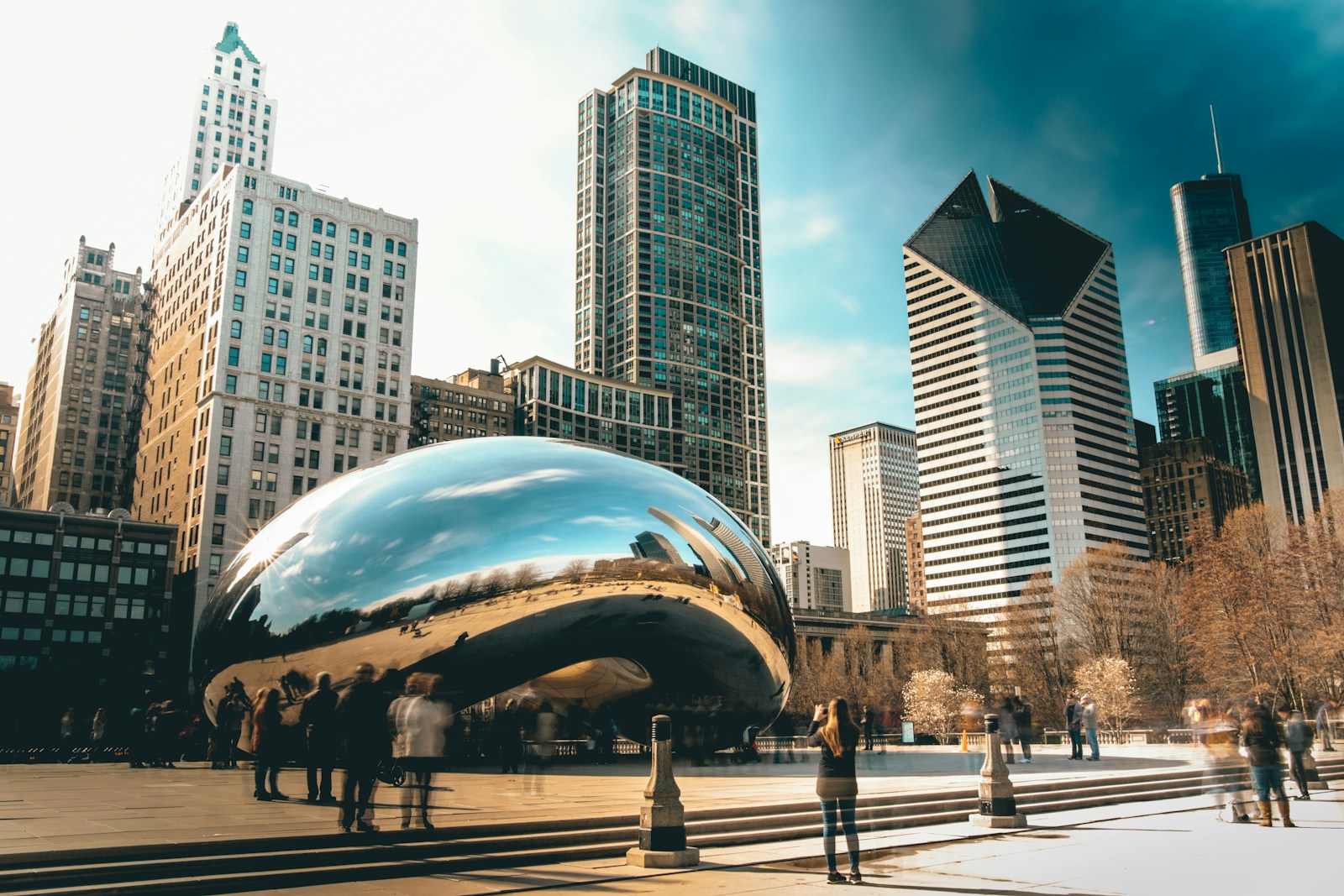
Art installations often create new “micro-destinations,” places people choose to visit for photos, relaxation, or inspiration.
This increased engagement helps build safer, more vibrant public spaces. When people occupy an area, it feels more alive, more monitored, and more welcoming to others.
Public art effectively turns empty spaces into community assets.
Art Creates Shared Emotional Experiences
Unlike art in galleries, which is curated and intentional, public art is encountered spontaneously. This makes the emotional experience feel organic.
A mural might evoke nostalgia.
A statue might convey hope.
A whimsical installation might spark joy or laughter.
Because everyone experiences the piece together in a shared environment, public art becomes part of the community’s emotional landscape. These shared reactions foster subtle social bonds, moments of collective feeling that help people connect to both place and one another.
Public Art Shapes How We Move and Gather
Art influences how people physically navigate space. A sculpture might create a natural meeting point. A painted stairwell might encourage exploration. A striking mural might draw foot traffic to a quieter street.
Urban planners often intentionally use art to guide movement, encourage public interaction, or revitalize neglected areas.
Public art isn’t just decoration. It’s a tool that shapes human behavior, enhances community life, and makes cities more livable.
Read More: How Neighborhood Rumor Mills Start (and Why We Love Them)