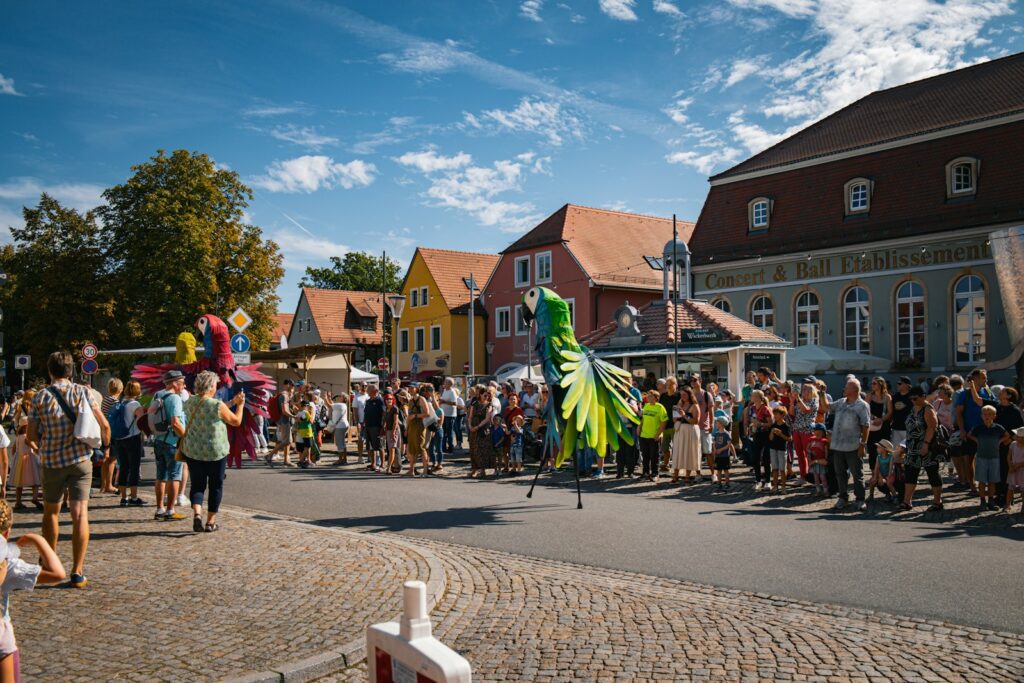

Certain places in a community become more than physical structures. They become emotional landmarks. Local landmarks help us locate ourselves not just on a map, but in our memories, relationships, and sense of belonging.
It might be the old brick library, the clock tower downtown, the playground where countless childhood games were played, or even a favorite tree that anchors a park. People form deep attachments to these places, often without realizing how much meaning they hold until they change or disappear.
Landmarks Hold Our Personal and Shared Memories
Places become meaningful when they host repeated moments of our lives. A landmark that seems ordinary to outsiders may be tied to dozens of emotional memories for those who live nearby.
A park bench might represent:
• Where two friends shared daily conversations
• Where someone ate lunch during tough weeks
• Where a family watched their children learn to swing
These moments accumulate, creating layers of personal history that make the place feel irreplaceable.
Shared memories also strengthen attachment. When multiple people in a community associate a place with festivals, first jobs, or celebrations, it becomes embedded in the neighborhood’s collective memory.
Familiar Places Create a Sense of Stability
Landmarks act as psychological anchors. They stay constant even as life changes. New neighbors arrive, businesses shift, seasons pass.
Seeing the same bakery sign or passing the same mural each morning offers a sense of continuity. These stable visuals help regulate our sense of place and identity.
They tell us:
“You’re home. Things are still familiar.”
This stability is especially comforting during periods of transition or stress, when familiar places provide a sense of grounding amid uncertainty.
Read More: Why Local Traditions Matter (Even the Quirky Ones)
Landmarks Represent Identity and Community Pride
Communities often take pride in the places that define them: a historic building, a beloved café, a famous statue, or an outstanding natural feature. These landmarks become shorthand for the area’s personality.
People often use them as reference points when describing where they live:
“Right by the fountain.”
“Across from the old theater.”
“Near the big oak tree.”
Landmarks reflect a community’s character, history, and values. They help distinguish one neighborhood or town from another, giving residents a shared symbol of identity.
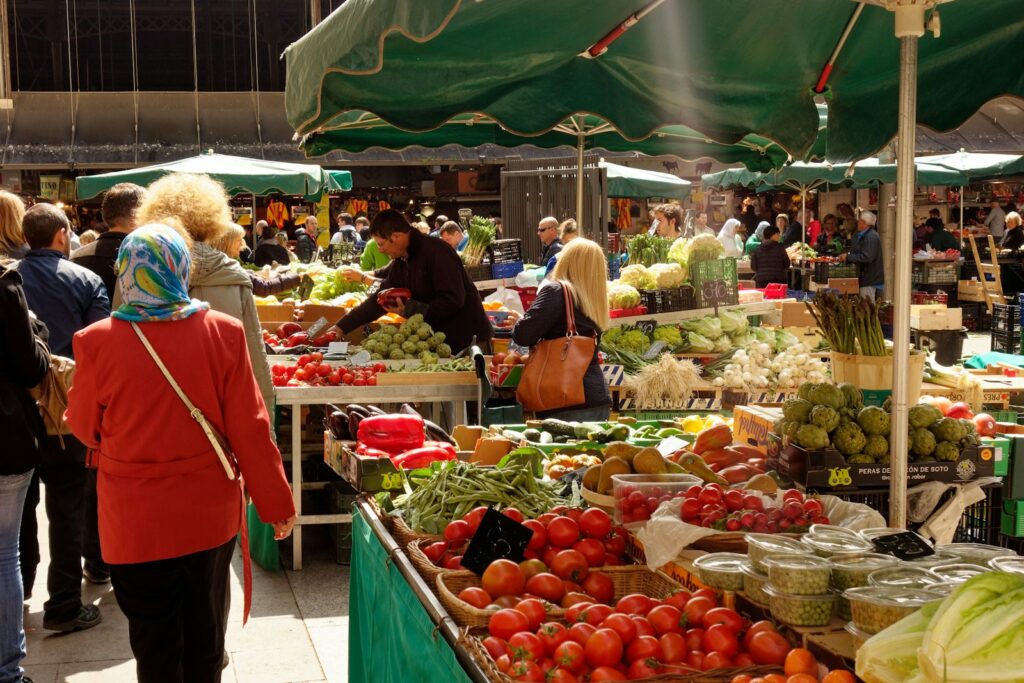
Read More: Why Farmers’ Markets Feel Different From Regular Grocery Shopping
Emotional Attachment Grows Through Repetition
Repeated exposure reinforces attachment. Walking the same street every morning, biking past the same mural, or meeting friends near the same plaza fosters a familiarity that feels like a genuine friendship.
Psychologists call this the mere-exposure effect. The more often we encounter something, the more fond of it we become.
Even a place we never intentionally visit can become comforting simply because it is part of our everyday landscape.
This is why people feel unexpected sadness when a familiar building is torn down or renovated. It’s not just the structure they’re losing, but the steady presence it provided.
Landmarks Help Us Form a Mental Map of Community
Landmarks shape how we navigate both physical and social spaces. They help us remember routes, organize our routines, and build mental models of our environment.
A landmark becomes a personal orientation point: where we turn left for home, where we slow down on a walk, where we meet others.
These navigation habits tie the place into our daily lives, creating an unconscious emotional connection. Losing a landmark can feel disorienting because it disrupts not only the geography but the rhythm of life.
Why Losing a Landmark Feels Personal
When a landmark changes or disappears, people often say they feel like they’ve lost “a piece of the neighborhood.” The reaction may seem disproportionate, but it reflects genuine emotional attachment.
We grieve because the landmark held memories, offered comfort, or symbolized continuity.
Communities often rally to preserve or restore beloved places because they represent shared identity, history, and a sense of belonging.