Color is more than decoration. It subtly influences how people feel, behave, and interact with one another in shared spaces.
From calming blues in hospitals to energetic reds in restaurants, color choices influence mood, attention, and even how social people feel. Although we often encounter color without conscious thought, it plays a decisive role in guiding social behavior.
Warm Colors Encourage Social Energy
Warm tones, such as reds, oranges, and yellows, tend to increase energy, sociability, and engagement. These colors draw the eye and spark a sense of liveliness, making people feel more open to conversation and activity.
Cafés, markets, and lively gathering areas often use warm hues to create a buzzing atmosphere. Even subtle touches, like warm accent walls or lighting, can encourage people to feel more talkative and alert.
Warm colors stimulate the senses and help people feel part of an active, shared environment.
Cool Colors Promote Calm and Connection
Blues, greens, and purples are calming colors that help reduce stress and lower emotional intensity. These hues create environments where people feel safe pausing, reflecting, and connecting at a slower pace.
Libraries, quiet cafés, clinics, and meditation spaces often lean toward cooler tones, as they foster relaxed and thoughtful interactions. When people feel calmer, conversations become deeper and more focused.
Cool colors encourage connection through emotional ease rather than stimulation.
Read More: New vs Used Cars: What Really Saves You More Long-Term?
Neutral Tones Make Spaces Feel Approachable
Grays, beiges, soft whites, and browns create grounded, approachable environments. Neutral tones don’t demand attention. Instead, they make a backdrop where people feel comfortable being themselves.
These palettes are often found in community centers, living rooms, and coworking spaces, where the goal is to create a sense of comfort rather than overwhelm the senses. Neutral environments help reduce social pressure, allowing people to engage without distraction.
They strike a balance between quiet calm and everyday warmth.
Read More: The Best High-End Couple’s Resorts in the U.S.
Color Influences Personal Boundaries and Social Distance
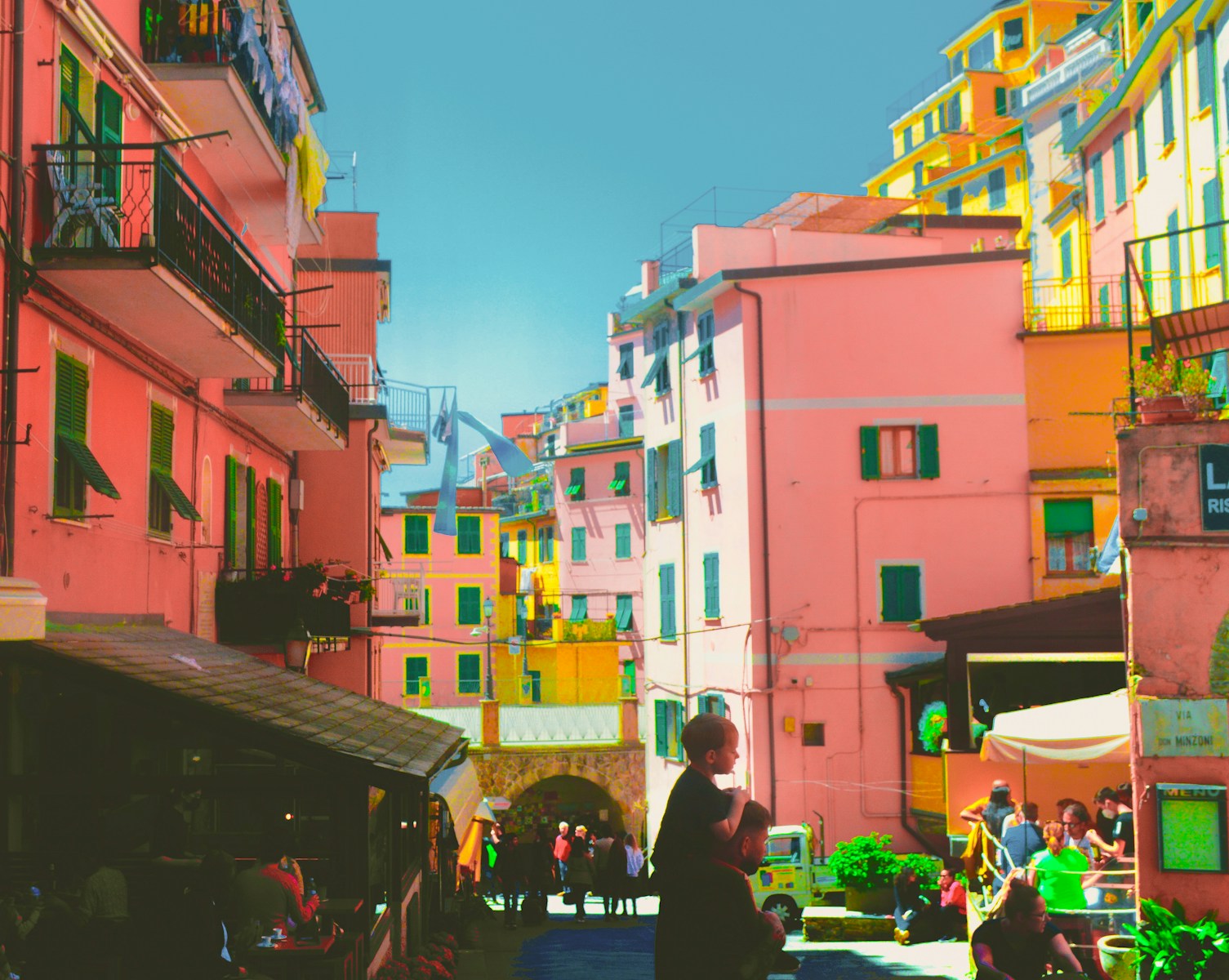
Color also affects how close people feel comfortable standing to each other. Warm, bright colors can make spaces feel smaller and more intimate, subtly encouraging a sense of closeness. Cool or darker tones can make a space feel more expansive, permitting people to spread out.
This is why vibrant murals help activate small plazas, while deep blues or greens can make large areas feel more serene and open. Color subtly influences the invisible “social spacing” that people maintain in public.
Cultural Meaning Shapes Social Interpretation
Colors carry cultural symbolism with meanings that vary across regions, communities, and traditions.
For example:
• Red may symbolize luck, urgency, or celebration
• White can represent purity or mourning
• Green may evoke nature or prosperity
• Blue can signal trust or spirituality
As a result, color choices influence not only emotion but also a sense of belonging and cultural identity. When people see colors that resonate with their values or cultural background, they often feel more welcomed and understood in a space.
Color helps create emotional alignment between people and a place.
Color Can Encourage or Discourage Certain Behaviors
Communities and businesses often use color intentionally to guide social behavior. Bright, clean colors in playgrounds encourage children to explore and play. Soft lighting in restaurants encourages longer, more intimate meals. Distinctive colors in transit stations help people navigate crowded areas more easily.
Some cities even use colored lighting to discourage loitering or reduce tension in high-traffic areas. Color becomes a quiet form of communication, shaping behavior through atmosphere rather than instruction.