Beneath the surface, the psychology behind matching clothing is deeply rooted in identity, belonging, and social connection. Coordinated outfits are a visual declaration of unity, signaling togetherness to both insiders and outsiders.
Matching outfits, whether worn by couples, families, close friends, or even entire teams, often spark attention and curiosity. They can seem playful, symbolic, or even strategic.
Matching Outfits Reinforce Group Identity
Wearing the same or similar clothing creates an immediate sense of unity. This visual alignment communicates, “We belong together.”
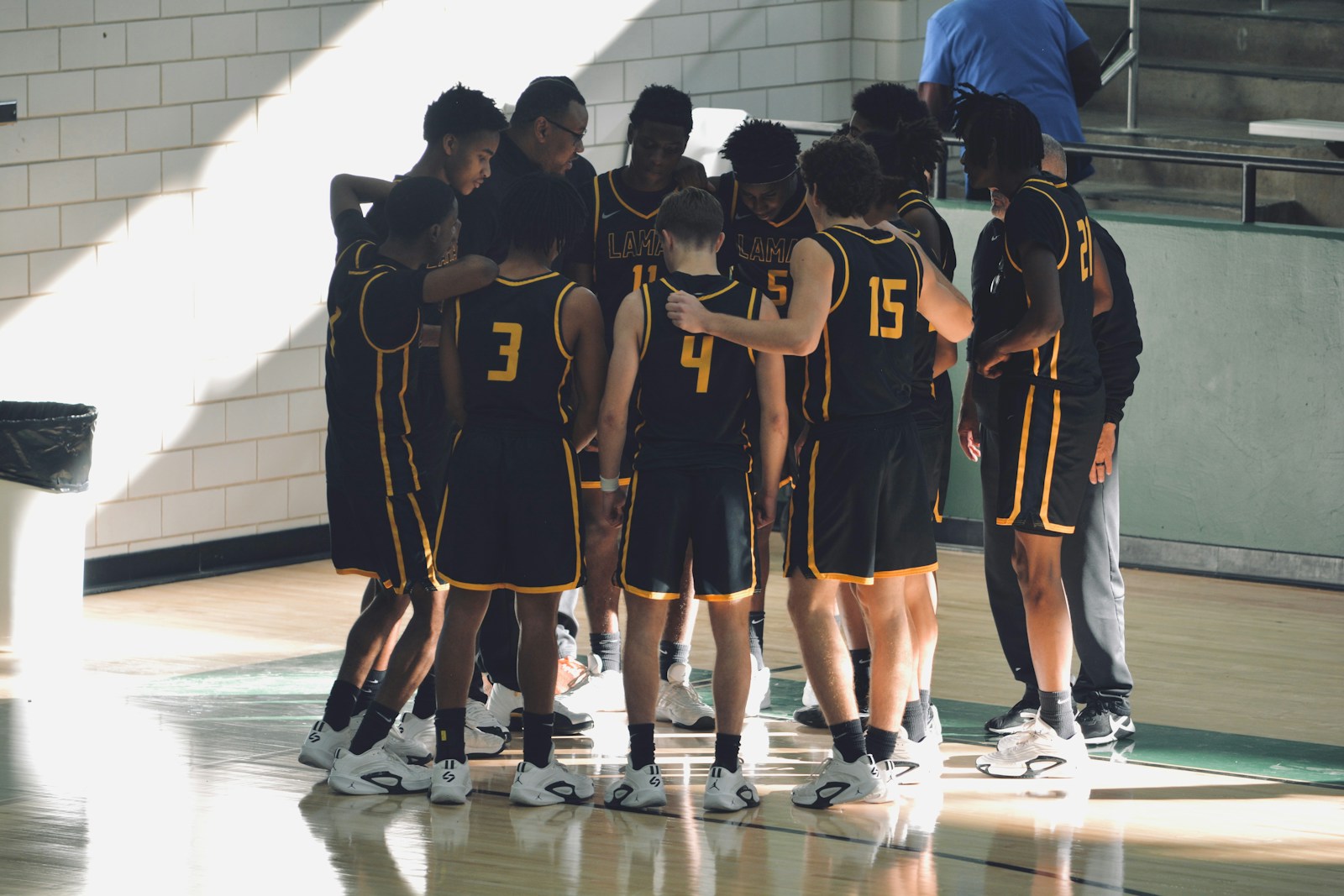
Sports teams, musical groups, or even biker gangs do it to build cohesion.
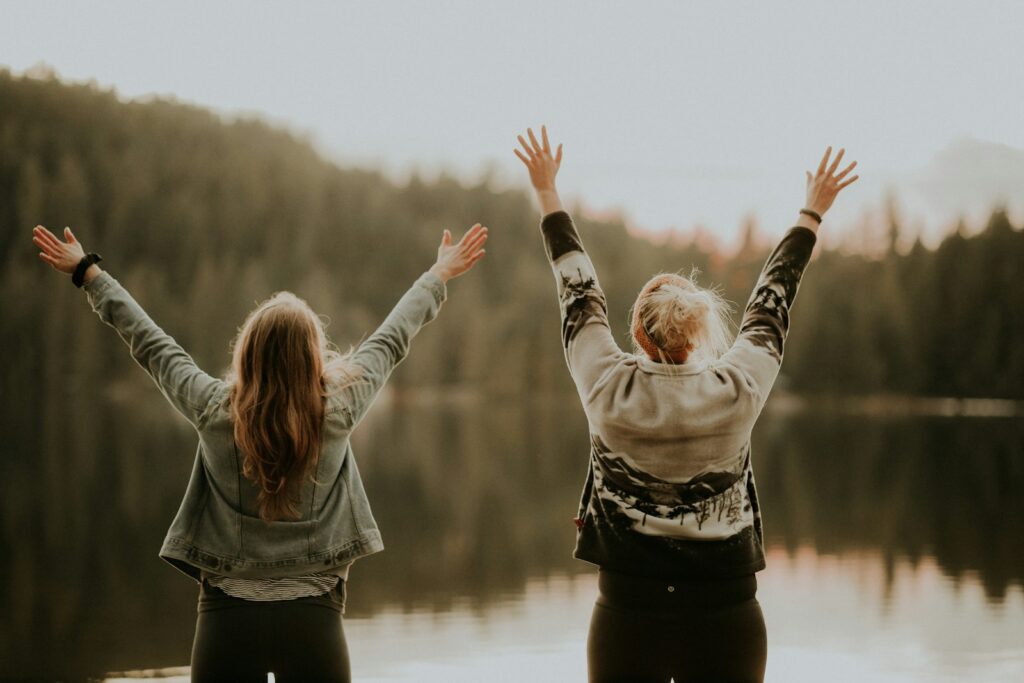
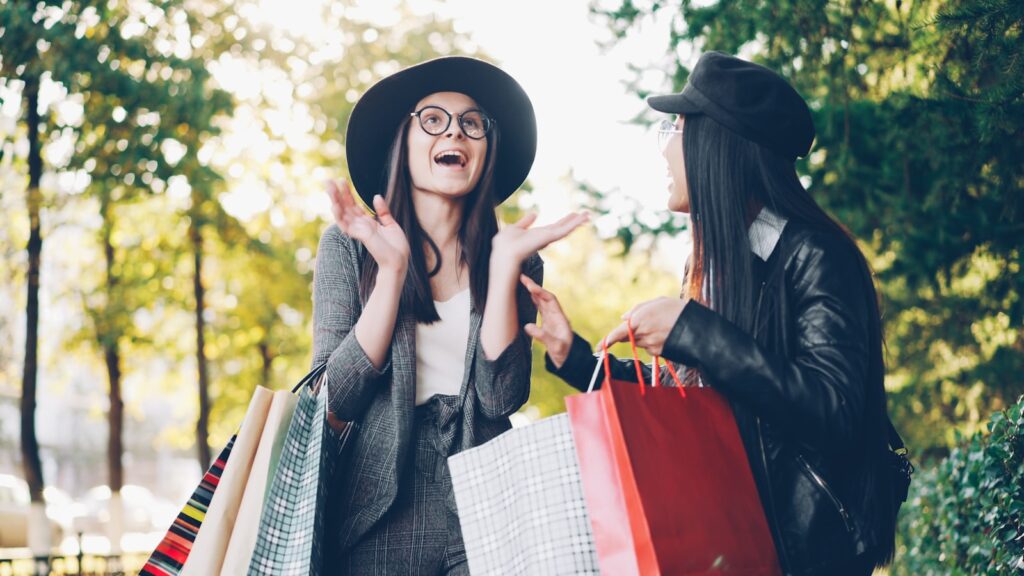
Friends do it to celebrate closeness.
Couples do it to express harmony or shared personality.
Families do it at events or vacations to feel connected.
Coordinated outfits reduce the sense of separateness and create a shared external identity. It’s a form of nonverbal communication that strengthens the group’s psychological bond.
Matching Signals Belonging and Social Safety
Humans instinctively seek belonging. Wearing matching clothing satisfies that need by making the connection visible. People feel assured when they can look around and see others dressed similarly. It reduces uncertainty and increases social comfort.
This is why uniforms, team jerseys, and coordinated event outfits help reduce anxiety in unfamiliar environments. People know who is “with them,” who to trust, and where they fit.
The matching attire becomes a comforting symbol of social safety.
Read More: The Community Value of ‘Local Regulars’
It Creates a Shared Experience and Emotional Memory
Dressing alike often happens during meaningful moments, such as family trips, celebrations, festivals, group photos, or special events. These experiences become stronger emotional memories when reinforced by shared clothing.
The outfit itself becomes part of the story:
“The year we all wore the matching shirts.”
“The trip where we dressed in the same colors.”
“The game we played in those jerseys.”
Matching outfits help transform ordinary moments into memorable ones by giving the group a visual anchor for the experience.
Read More: How Shared Weather Events Bring People Together
Coordination Expresses Solidarity and Support
Matching can be a powerful gesture of solidarity. Friends wear coordinated colors to support someone in a big moment. Teams wear matching shirts to show unity in a challenge. Couples match their subtle gestures to express mutual care and connection.
This solidarity can also communicate support to outsiders, that the group is united in purpose, emotion, or celebration. Matching outfits amplify the sense that people are standing together.
Matching Clothing Strengthens Social First Impressions
Groups wearing coordinated clothing tend to appear more cohesive, likable, and harmonious to outside observers. This positive perception makes others more receptive, more trusting, and more inclined to engage.
Matching outfits suggest:
• closeness
• cooperation
• shared values
• positive relationships
These signals create an immediate sense of social warmth, even before a word is spoken.
Matching Can Be Playful and Reinforce Joy
For many people, matching outfits is a fun activity. They bring lightheartedness to an experience and allow people to express creativity together.
Play is a powerful social binder, and coordinated outfits act as a collective expression of joy. This is why matching pajamas, holiday sweaters, or themed costumes often feel special. They tap into shared humor and delight. The playfulness itself becomes part of the bonding experience.
Read More: How Shared Routines Create Connection Without Conversation