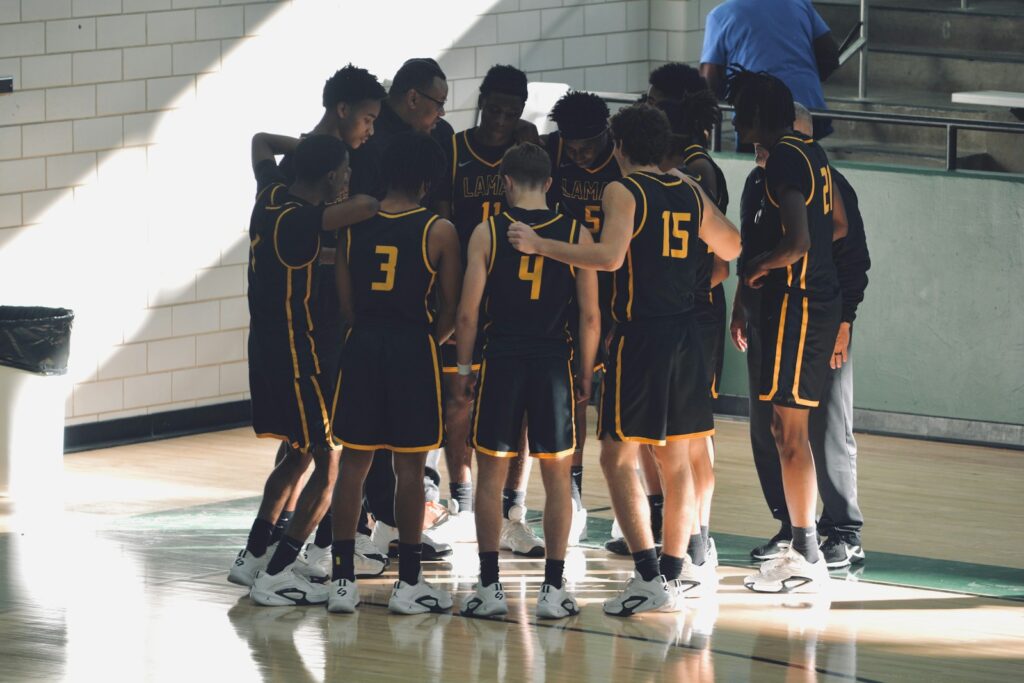

The pull toward underdogs isn’t just sentimental. It’s deeply tied to fairness, empathy, and the human desire to see effort rewarded.
Across cultures and generations, people instinctively root for the underdog, the overlooked competitor, the unlikely hero, the person with slim odds yet a big heart. This preference shows up in sports, stories, competitions, and even everyday life.
Underdogs Trigger Our Sense of Fairness
Most people have an innate preference for fairness. When we see a mismatch, such as a small team facing a powerhouse or a newcomer competing with a veteran, our instinct is to emotionally “level the playing field.” Rooting for the underdog feels like supporting justice.
Watching the favored side win can feel predictable, even dull. However, when an underdog triumphs, it feels as though balance has been restored. Their victory feels earned in a way that resonates with our need for equity.
Underdogs let us imagine a world where strength isn’t the only path to success.
We Empathize With Struggle and Effort
People tend to relate more to effort than to dominance. Most of us know what it feels like to face long odds or feel underestimated. Underdogs mirror our own challenges, which makes their success feel all the more personal.
When someone is fighting uphill, we instinctively project our own experiences of struggle onto them. Their perseverance awakens empathy, admiration, and a desire to see them succeed.
We root for underdogs because we see a piece of ourselves in them.
Read More: The Curious Psychology of Matching Outfits (Friends, Couples, Teams)
Underdog Stories Feel More Interesting and Emotional
From classic literature to blockbuster films, stories centered around unlikely heroes are emotionally compelling. Underdogs create suspense:
“Will they make it?”
“Can they beat the odds?”
Their journey usually involves growth, resilience, and grit. These qualities evoke strong emotional engagement. Favorites may win more often, but underdogs make the story worth watching. Their arc taps into timeless narrative themes: transformation, courage, and redemption.
Read More: The Community Value of ‘Local Regulars’
Underdogs Represent Hope and Possibility
When someone with small odds succeeds, it expands our sense of what is possible. An underdog victory sparks hope that determination can overcome disadvantage.
This hope spreads beyond the moment:
• It inspires people facing challenges
• It encourages belief in effort
• It fuels optimism
• It suggests that life can surprise us
Rooting for the underdog becomes a way of rooting for possibility itself, and a reminder that the future isn’t fixed.
Supporting Underdogs Feels Morally Good
Cheering for the underdog feels kind. It aligns with values like generosity, compassion, and humility. People enjoy feeling like they’re supporting someone who needs encouragement. This creates a positive emotional feedback loop.
Even when the underdog doesn’t win, cheering for them reinforces our empathy and moral alignment. It allows us to feel connected to the struggle, even if the outcome isn’t in their favor.
This is why even brief encounters with underdogs, whether it’s local athletes, small businesses, or new artists, make people want to support them.
Underdogs Strengthen Social Bonds
Rooting for the underdog is often a collective experience, as families, groups of friends, and even entire cities unite around the shared excitement of an unlikely victory. This shared enthusiasm strengthens social cohesion. It feels like belonging.
Communities rally around underdogs because the emotional momentum brings people closer. The joy of an unexpected success becomes something everyone shares.