Dog parks may seem casual and unstructured, but beneath the surface is a well-functioning social system supported by unwritten rules.
Park norms help keep dogs safe, owners respectful, and the atmosphere welcoming. The people who frequent dog parks quickly learn this social contract: a blend of etiquette, cooperation, and shared responsibility that allows strangers and their pets to coexist smoothly.
Everyone Shares Responsibility for Safety
Safety is the foundation of the dog-park social contract. Owners understand that they’re responsible not only for their own dog, but for helping maintain a safe environment for everyone.
This includes monitoring play, stepping in when energy escalates, and removing a dog who’s becoming overwhelmed.
The mutual understanding is simple:
“We’re all here to make sure the space is fun and safe.”
Because of this agreement, owners intervene quickly and respectfully. Eye contact, small gestures, or brief comments help people coordinate responses without conflict.
This shared responsibility keeps the park running smoothly, even when dozens of dogs of different sizes and temperaments are present.
Owners Respect Each Other’s Space (and Their Dogs’ Space)
In dog parks, people read not only canine cues but also human ones. Some owners want to chat, while others prefer to observe quietly.
These preferences become part of the social landscape.
Similarly, owners understand when a dog needs more personal space, when a puppy needs gentle play, or when an older dog should be left alone. People adjust their behavior accordingly: shifting to another area, redirecting their dog, or offering a friendly heads-up.
This mutual awareness fosters harmony. Even without speaking, owners communicate through posture, timing, and movement, creating a rhythm that keeps interactions smooth.
Read More: The Unexpected Power of Shared Silence
Shared Norms Make Interaction Easier
Specific unwritten rules are almost universally understood:
• Clean up after your dog
• Bring leashes inside, but don’t leave dogs leashed
• Avoid bringing toys that might trigger resource guarding
• Monitor, don’t socialize so profoundly that you miss signals
• Step in early at signs of tension
• Greet new arrivals with awareness
These norms allow dog parks to feel relaxed rather than chaotic. They create expectations everyone can follow, even without formal guidelines. The system works because people share a common goal: to provide a pleasant experience for both dogs and humans.
Reda More: The Social Meaning Behind Everyday Greetings
Dog Parks Foster Casual, Low-Pressure Social Connection
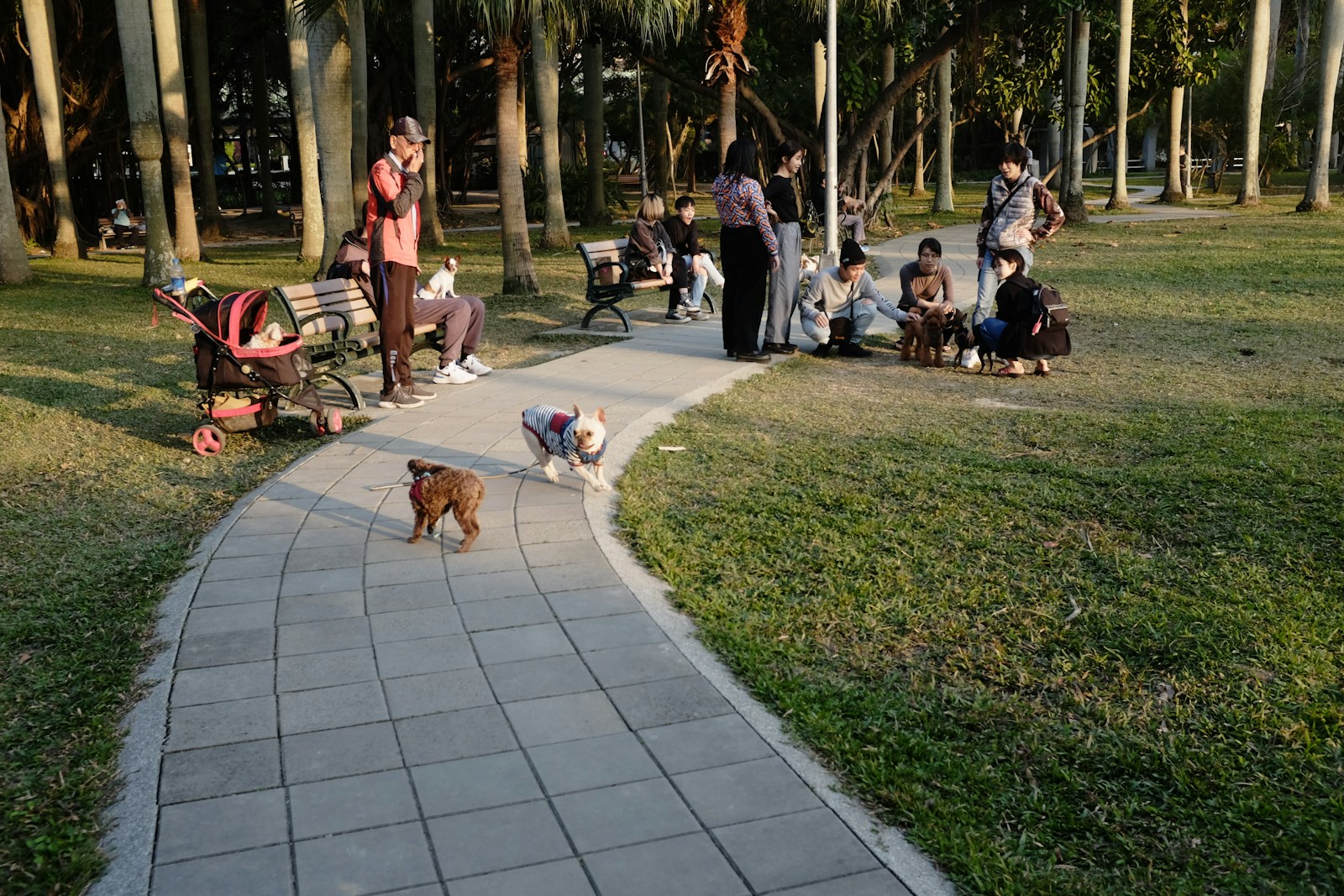
Dog parks naturally encourage conversation. Dogs act as social bridges, providing people with a built-in topic to discuss, such as training, behavioral quirks, breed characteristics, or amusing moments.
These interactions are low-pressure and spontaneous, which is why people often form light but consistent friendships at dog parks.
Regulars recognize each other and their pets.
They exchange updates, compare notes, or share small stories.
This familiarity builds a quiet sense of community.
Even people who usually feel shy find that dogs create an easy entry point into social interaction.
Dogs Model Social Behavior for Their Humans
Interestingly, dogs themselves influence the social atmosphere. They model curiosity, friendliness, and playfulness. Humans often mirrored these behaviors.
A joyful dog can spark laughter among strangers.
A nervous dog may prompt cooperative problem-solving.
A well-matched play session can draw everyone’s attention to collective enjoyment.
These moments of shared observation create micro-connections among owners. The dogs’ interactions shape the park’s tone, often making it feel more upbeat, relaxed, or communal.
The Park Becomes a Shared Territory
As people visit regularly, the dog park becomes a social anchor and a predictable, welcoming space where routines form.
Owners develop a sense of ownership, not in a possessive way, but in the feeling that they’re part of the park’s ongoing story.
The rhythms of arrival and departure, familiar faces, and recurring dog friendships all contribute to this sense of belonging.
It becomes a place where both dogs and humans feel known, even in small ways.
The unspoken social contract helps keep this shared territory safe, friendly, and vibrant.