Watching a construction project unfold, whether it’s a new home, a downtown renovation, or even a simple sidewalk repair, is surprisingly captivating.
People pause to observe the cranes, the workers, the machinery, and the day-to-day transformation. This curiosity isn’t just about the physical changes. It taps into deeper psychological instincts about progress, predictability, and shared anticipation.
Construction Taps Into Our Love of Visible Progress
Most forms of progress in life are slow or invisible. Personal growth, relationship changes, or career development rarely show outward signs on a day-to-day basis. But construction is different. You can literally see change happening.
A cleared lot becomes a foundation.
A foundation becomes walls.
Walls become a recognizable structure.
Each new stage delivers a small sense of satisfaction. Observing these changes feels inherently rewarding because it mirrors our desire for forward movement and accomplishment, even if we’re not the ones doing the building.
Construction gives progress a form we can witness.
Predictability and Routine Make Watching Comforting
Construction projects follow a recognizable sequence. Even if we don’t understand every detail, we know that specific steps come before others.
This predictability is calming. It gives the process a rhythm people can follow, creating a sense of order in an otherwise unpredictable world.
Passing a site regularly, such as on a commute, a daily walk, or a neighborhood errand, creates a quiet routine. People enjoy noting what’s new each time. The structure, slowly growing, becomes a steady companion in the background of everyday life.
Predictability gives the project emotional presence.
Read More: Why People Gravitate Toward ‘Familiar Strangers’
Watching Skilled Work Is Naturally Fascinating
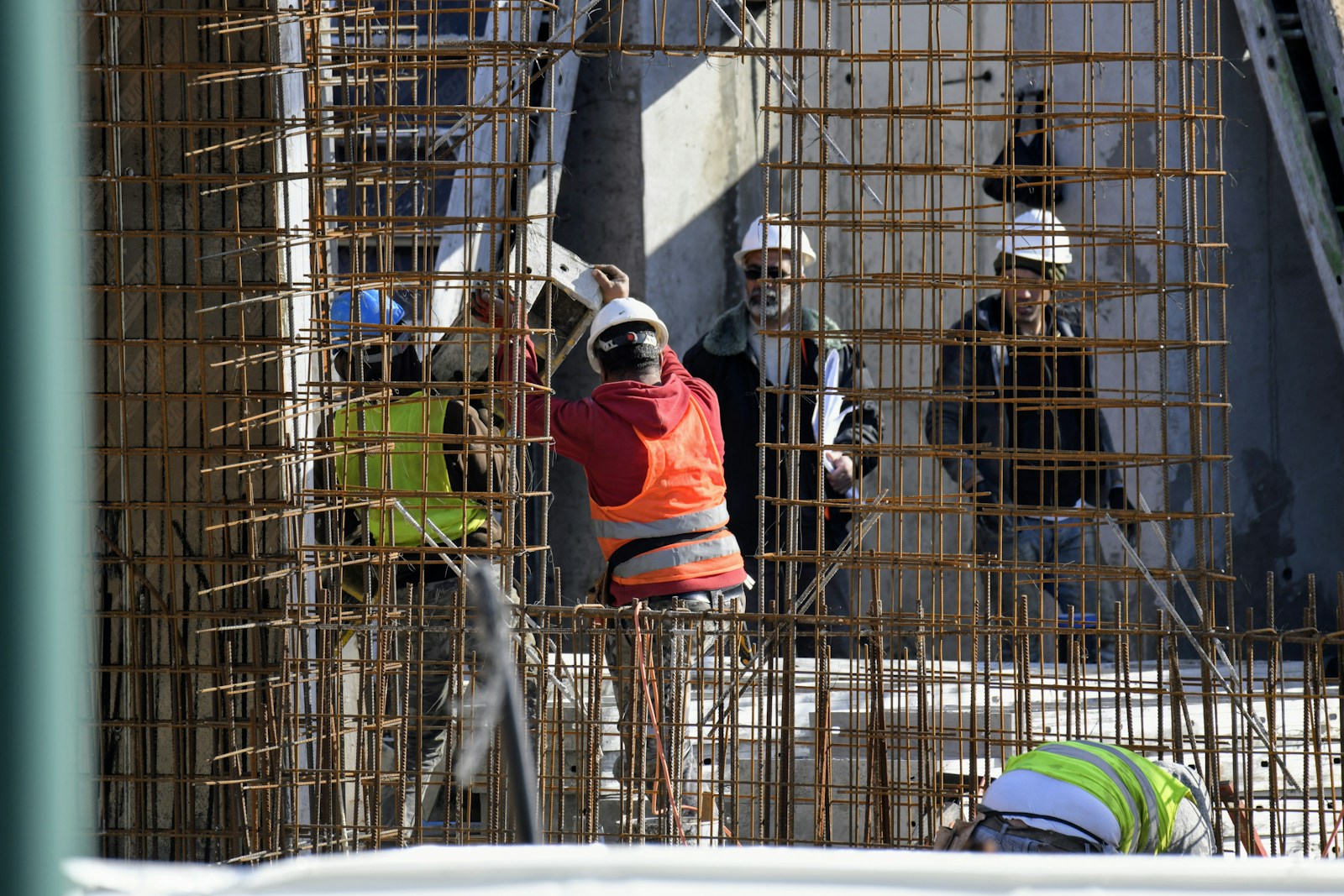
Construction showcases visible expertise as workers coordinate tasks, operate complex machinery, or measure and adjust with precision.
Humans are drawn to displays of skill. Watching carpenters, welders, masons, or crane operators at work can feel almost like watching a live performance. There’s rhythm, coordination, timing, and mastery.
These scenes generate respect and admiration. They also evoke a sense of wonder at the planning and craftsmanship that go into creating something from scratch.
Skill in motion is always compelling.
Read More: Why People Form Attachments to Local Landmarks
Construction Projects Encourage Community Curiosity
Large projects often spark conversation among neighbors:
“What are they building there?”
“How long will it take?”
“Have you seen the new part they added this week?”
This shared curiosity creates a sense of collective anticipation. Everyone is invested in the outcome, even if only lightly. The project becomes part of the neighborhood’s daily conversation and a small source of community connection.
People enjoy watching because they feel included in a story unfolding before their eyes.
The Transformation of Space Feels Personal
When a familiar space changes, a vacant lot becomes a café, an old building becomes apartments, or a neglected park gets a makeover, people often feel a personal connection.
Construction becomes part of their emotional landscape.
They imagine what the space will be like, how it will influence the neighborhood, and what memories might grow there next.
The transformation feels like a shared investment in the community’s future.
Even if people don’t directly participate, they feel involved simply by observing.
Watching the Project Finish Feels Like a Shared Achievement
When construction wraps up, there’s a collective sense of completion. People enjoy seeing the final result after months of small changes.
The new space, whether practical or aesthetically pleasing, becomes an integral part of the community’s identity.
This shared satisfaction mirrors the pride of completing a long project, even if others did the work. In this way, watching construction is not just observation; it is also an active process. It becomes an emotional participation in creating something new.
Read More: Why Local Traditions Matter (Even the Quirky Ones)